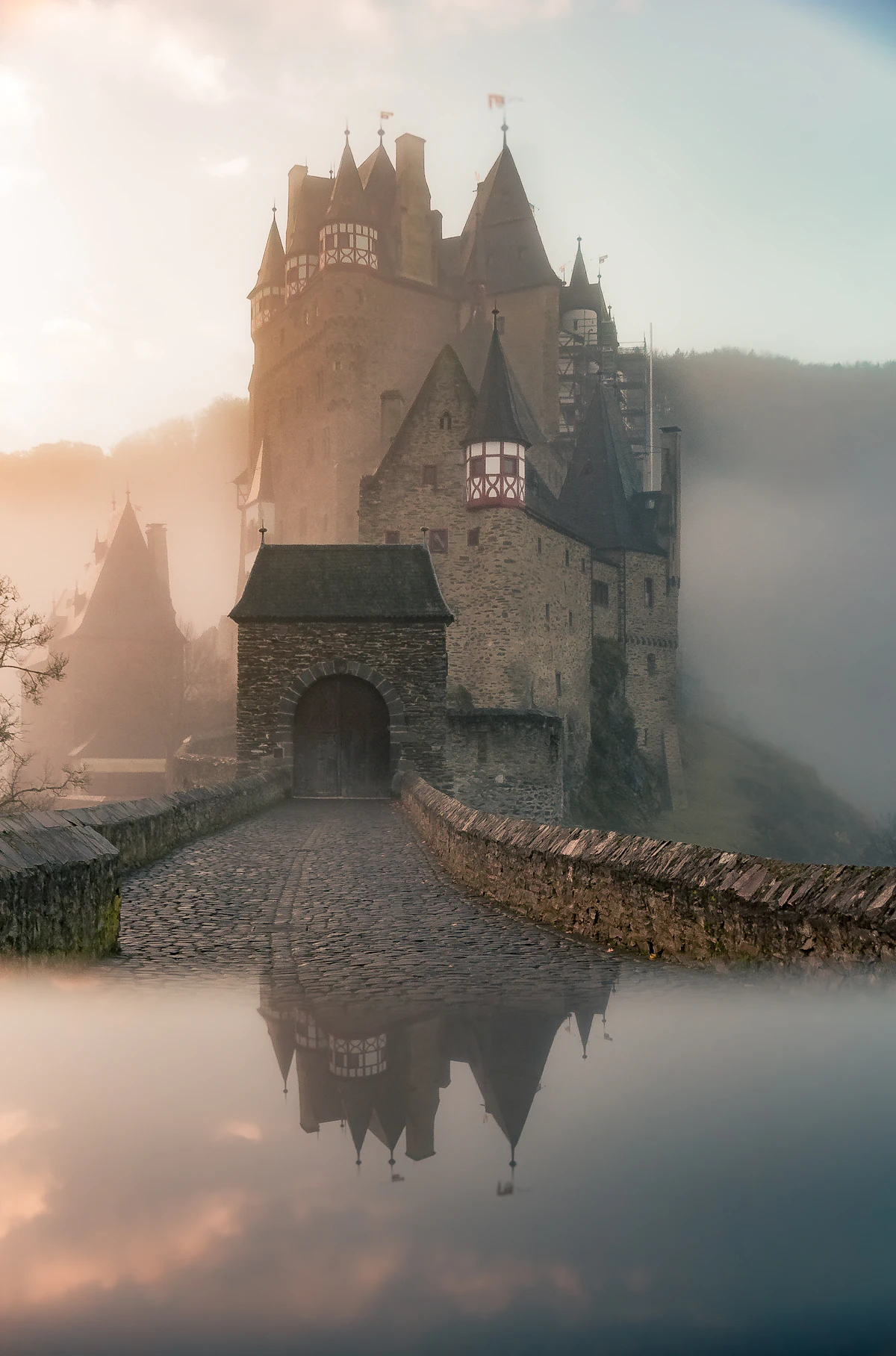

More than eight decades after shadowy Venetian blinds and trench-coated detectives first arrived on monochrome screens, the psychological and stylistic DNA of film noir continues to exert an irresistible gravitational pull on contemporary narrative storytelling.
From neon-soaked cyber-thrillers and serialized streaming prestige dramas to indie existential mysteries, modern filmmakers and screenwriters are aggressively returning to the moral ambiguity, fatalism, and visual expressionism that defined mid-century cinema.
The Aesthetic of Shadows: Why Noir Never Dies
Born out of the postwar disillusionment, urban anxiety, and moral uncertainty of the 1940s, film noir captured an America grappling with trauma and institutional corruption. Its trademark visual signatures—slanted camera angles, high-contrast chiaroscuro lighting, and wet asphalt reflecting streetlamps—created a visceral cinematic language of dread and longing.
"Noir endures because it refuses to offer easy, sanitized answers," explains a professor of cinema studies at USC. "It confronts human weakness, greed, and fate head-on. Whenever society passes through periods of profound collective anxiety, noir inevitably returns to the center of the cultural conversation."
"A great noir isn't about solving a crime; it is about uncovering the uncomfortable truths about the world and ourselves that we would rather keep in the dark."
From 35mm Celluloid to Digital Neo-Noir
Today's leading directors are adapting these classic tropes for modern digital canvases, pairing high-dynamic-range cinematography with complex commentary on corporate surveillance, artificial intelligence, and wealth inequality. The hard-boiled private eye has evolved into the investigative journalist, whistleblower, or conflicted hacker, but the fundamental struggle against corrupt power structures remains thrillingly unchanged.
As festival audiences and streaming viewers gravitate toward gritty, morally complex narratives, the dark cinematic poetry of noir remains as electrifying, relevant, and seductive as the day it was born.
Preserving the Soul of Los Angeles Through Civic Cultural Initiatives
Beyond the glamour of soundstages and premiere red carpets, Los Angeles is undergoing a profound cultural rediscovery. Community-driven arts coalitions, public library foundations, and indie cinema clubs are breathing vibrant new life into historic public spaces across the city, from Downtown's historic theater corridor to Eastside neighborhood galleries.
These grassroots movements provide a vital counterbalance to digital isolation, offering multi-generational gathering spaces where locals celebrate the rich tapestry of artistic voices that have shaped California’s cultural identity for over a century.
The Intergenerational Dialogue of Cinematic Heritage
By pairing timeless cinema restorations with contemporary discussions on cultural preservation, modern arts institutions are ensuring that younger generations remain intimately connected to the history of storytelling. As audiences gather in public squares and restored auditoriums, the transformative magic of cinema continues to bind communities together.